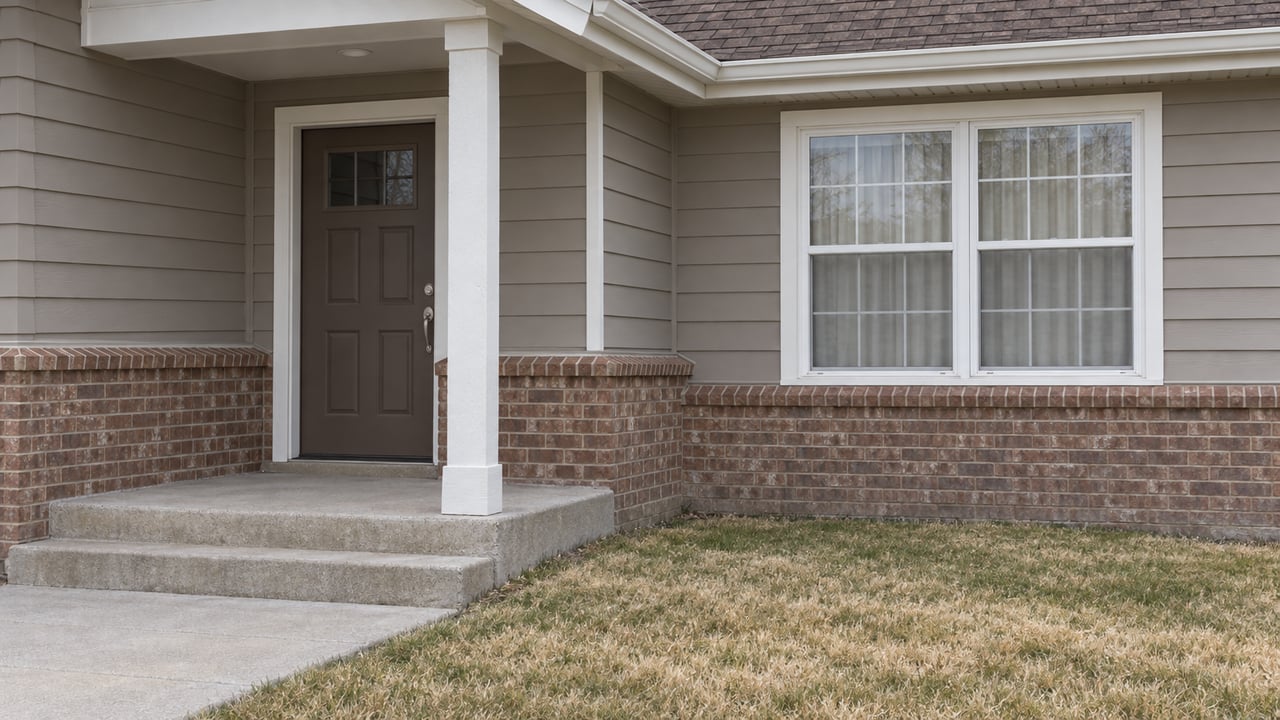
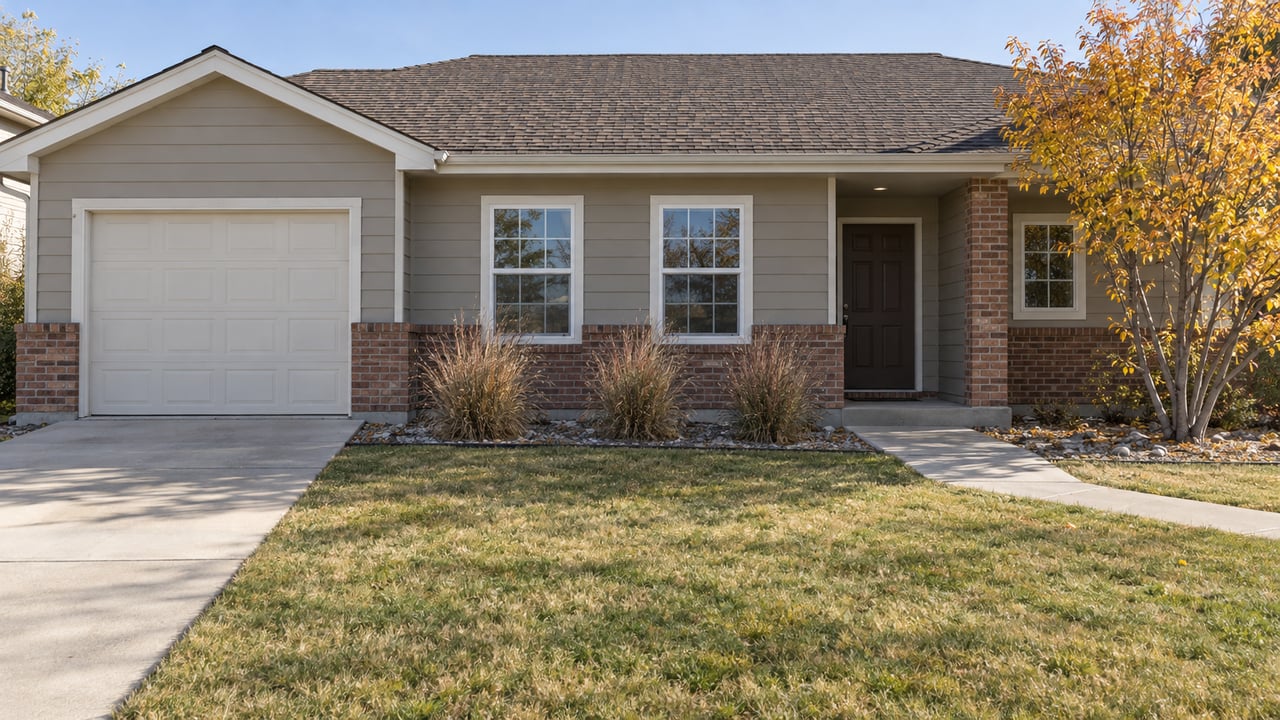
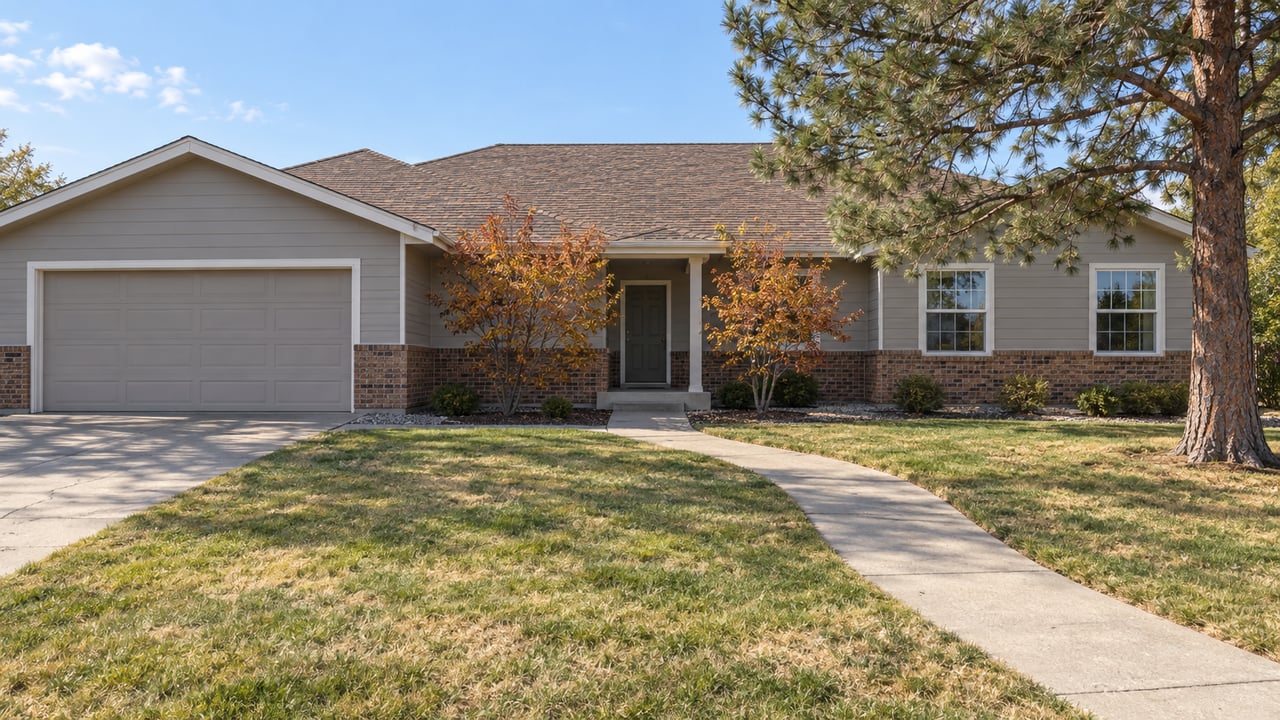
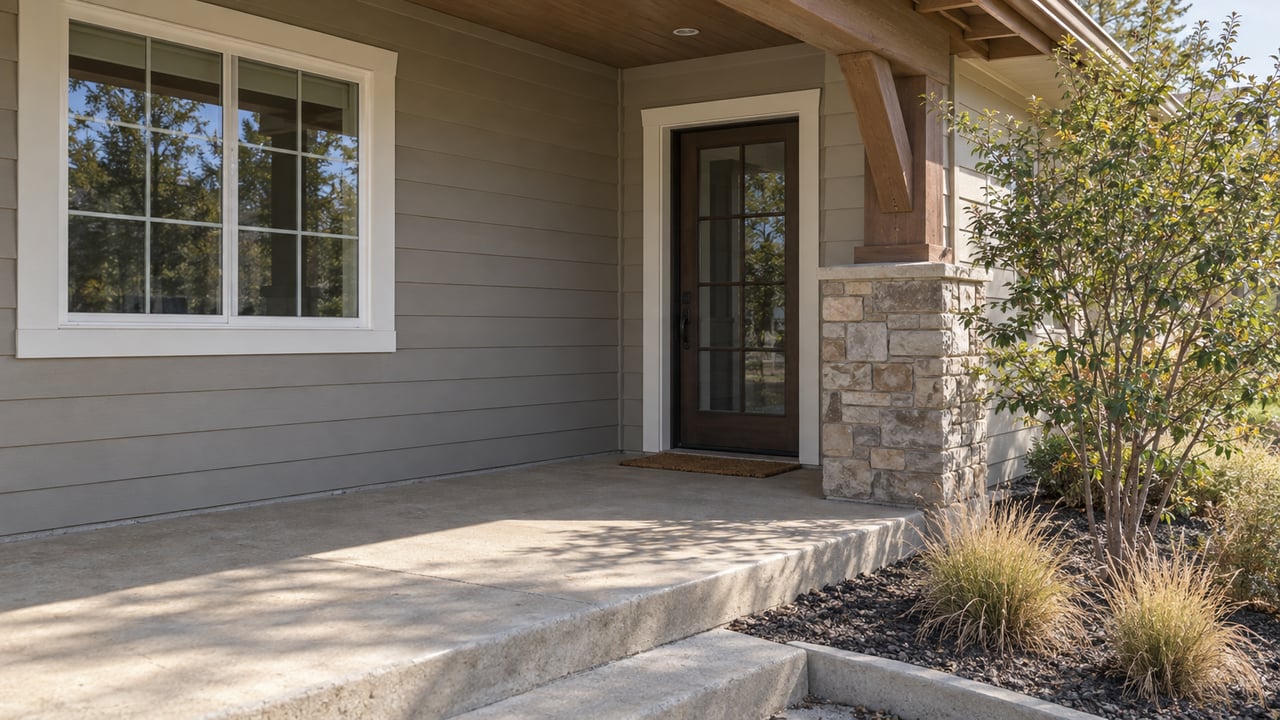
A buyer closes on a new build in Aurora this spring. The listing quoted property taxes around $2,100 a year, a number pulled straight from the county record. Six months later the actual bill lands closer to $4,600. Nobody lied. The number on the listing was accurate the day it was pulled, back when the lot underneath the house was still dirt. The later bill reflects the finished home, with metro district charges included in property taxes rather than the sale price.
That gap explains something that a citywide median price cannot: why two homes in the same city, sometimes ten minutes apart, can cost radically different amounts to actually own, even when their sticker prices look close.
The Same City, Two Different Bills
Aurora's median home price has hovered in the $460,000 to $485,000 range across multiple trackers this spring and summer. That citywide number describes an average of two very different housing markets that happen to share a mailing city.
A zip-code breakdown published earlier this year showed 80016, in southeast Aurora, carrying a median home price near $775,000. Zip 80012, closer to the city's original core, showed a median closer to $325,000. That is not a rounding difference. It is two markets separated by more than $450,000 in median value, sitting inside the same city limits.
The instinct is to explain that gap with the usual suspects: newer homes, bigger lots, more square footage. Those things matter, but they are not the whole story. Another factor to consider when comparing listings is the school district a specific address feeds into.
Where the Boundary Actually Runs
Aurora is split between two public school systems, and the split does not track city limits. Cherry Creek School District No. 5 serves the southern Aurora neighborhoods, including Saddle Rock, Tallyn's Reach, and Southshore, the same corridor where 80016's higher median sits. Aurora Public Schools serves the central and northern parts of the city, closer to where 80012's lower median sits.
That boundary is not cosmetic. It is one of the clearest, most consistent price signals in the entire Aurora market, and it means a buyer who picks a zip code first and a school district second is doing the comparison backward. The zip code is a proxy. The district line is the actual mechanism.
Here is what that split looks like when you put the two ends side by side.
| Zip 80016 (southeast Aurora) | Zip 80012 (central Aurora) | |
|---|---|---|
| School district | Cherry Creek School District No. 5 | Aurora Public Schools |
| Reported median price | Roughly $775,000 | Roughly $325,000 |
| Typical home type | Newer master-planned communities, larger lots | Established neighborhoods, older housing stock |
| Metro district prevalence | Common in newer subdivisions | Less common in older sections |
Metro district prevalence is another factor to consider.
Metro Districts and Property Taxes
Colorado builds fast, and Aurora has approved a lot of that growth through metro districts. A metro district is not an HOA. It is a public government entity, formed under state law, that a developer sets up to finance roads, water lines, sewer systems, and parks before a single house is sold. The district issues bonds to cover that infrastructure cost upfront, then repays the debt over decades through a mill levy added to residents' property tax bills.
The City of Aurora has required new metro districts to follow its Model Service Plan since 2004. According to Metro District Education, Aurora's Model Service Plan caps the debt-repayment mill levy at 50 mills and limits how long that levy can run, generally no more than 40 years. Those caps exist because the fees can otherwise stack up quietly. A metro district's debt mill levy, layered on top of standard county, city, and school levies, can add well over a thousand dollars a year to a tax bill for a home that looked identical to a comparable resale a few miles away with no district attached.
The $2,100-to-$4,600 example illustrates how a listing's tax figure can differ from a later bill: it may be based on an assessment made when the parcel was raw land, before the district's debt mill levy was fully applied to a finished home. The county may update the assessment after closing.
The Aurora Highlands is a useful example of how this plays out at scale. It is a roughly 4,000-acre master-planned community in far northeast Aurora, close enough to Denver International Airport that builders market the five-minute drive, with homes starting near $415,950 through builders including Century Communities, Tri Pointe Homes, and Richmond American. AdventHealth's new Aurora Highlands emergency room is set to open this month, which is a real amenity and a genuine draw for buyers weighing that corridor. None of that changes the fact that a community built at this scale almost certainly carries district financing behind it, and a buyer comparing that entry price to an established Aurora resale needs to know what sits underneath the sticker price before assuming it is the cheaper option.
According to Mile High Title Guy, Colorado law now requires sellers to give buyers the district's official website before closing, for any metro district organized on or after January 1, 2000. Ask for it in writing, and read it before you write an offer.
Understanding Metro District Property Taxes
A metro district's annual tax hit is the home's assessed value multiplied by the district's total mills, divided by a thousand. A home with an assessed value in the mid-$30,000s sitting inside a district charging close to the 40-mill range can see well over a thousand dollars a year in debt-service tax alone, before the county, city, and school portions of the bill are even added. Stack a separate operations and maintenance fee, which some districts bill monthly like an HOA dues invoice, and the total gap between the year-one estimate and the year-two reality becomes easy to explain and expensive to ignore.
None of this makes new construction a bad choice. It makes the sticker price an incomplete one. The same infrastructure that a metro district finances, the roads, the parks, the water lines, is often what makes a $415,950 entry price possible in the first place. The tradeoff is real, and it deserves to be priced into the decision rather than discovered after the fact.
How to Actually Compare Two Aurora Addresses
Before comparing a listing in 80016 to one in 80012, or a new build to an established resale anywhere in the city, run through this short list.
- Confirm the school district by address, not by zip code. Cherry Creek and Aurora Public Schools boundaries do not follow zip lines cleanly.
- Ask whether the property sits inside a metro district, and if so, request the district's current mill levy and service plan directly, not a summary from the listing.
- Request the district's official website.
- Add the district's debt mill levy, any operations fee, and any HOA dues to principal, interest, insurance, and standard property tax to get an honest monthly number.
- Ask your lender how the district's charges will be treated in your qualifying ratios, since some fees count like taxes and others count like HOA dues.
A Few Direct Questions
Is a metro district the same thing as an HOA? No. An HOA is a private association that collects dues and enforces community rules. A metro district is a public government entity with the authority to issue bonds and levy property taxes. Many newer Aurora communities have both, and they show up as separate charges.
Does the cheaper zip code always mean the cheaper monthly payment? Not automatically. A lower list price in an older section of the city can still come with a lower total monthly cost, but only if you have actually compared the tax bill, not just the sale price, against a new-construction option that may carry an active metro district mill levy on top of everything else.
Why does the school district matter if I don't have kids? Because the district line is tracking with resale value across the entire southeast Aurora corridor, independent of who is buying. It is one of the more reliable predictors of where the market has held its median, and it is worth understanding even for buyers who never plan to use the schools themselves.
When comparing Aurora homes, consider the mill levy and district boundary alongside the price on the sign. If you are comparing addresses across this city and want someone who will pull the actual service plan before you write an offer, Arlene Burgess can walk the numbers with you and tell you what they mean for your specific street, not just the citywide average.
This article is general information, not legal, tax or financial advice. Consult a qualified professional about your situation.