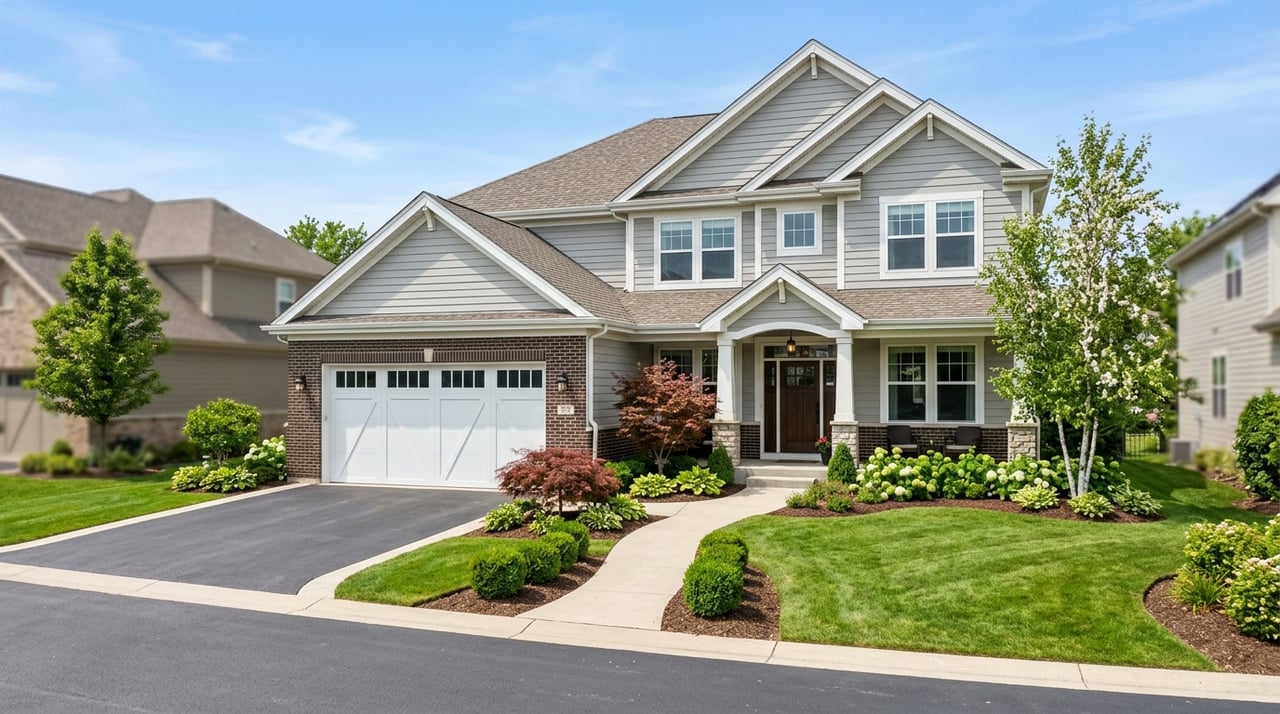
Thinking about selling your Littleton home? You are not alone, and in today’s market, that can be both exciting and a little overwhelming. The good news is that Littleton is still a competitive market for sellers, but a strong result usually comes from more than just putting a sign in the yard. If you want to move from prep to closing with fewer surprises, this guide will walk you through what matters most. Let’s dive in.
Why Littleton sellers still need a plan
Littleton is showing signs of seller-friendly conditions, but that does not mean every home will sell the same way. Realtor.com’s April 2026 data shows 235 active listings, a median listing price of $639,995, a median sold price of $637,000, a 100% sale-to-list ratio, and 37 median days on market. Redfin’s March 2026 snapshot also points to strong demand, with a median sale price of $634,950, an average of 18 days on market, and about 2 offers per home.
Those numbers are encouraging, but they also tell you something important. Buyers are still paying attention to price, condition, and presentation. In a market like Littleton, the homes that feel well cared for and are priced with local comps in mind tend to get the best early response.
Start with micro-local pricing
One of the biggest mistakes sellers make is relying too much on citywide averages. In Littleton, pricing can vary a lot by ZIP code and neighborhood. Realtor.com’s April 2026 data shows median listing prices of $625,000 in 80120, $565,000 in 80110, and $799,000 in 80113, with neighborhood medians ranging from $466,450 in Progress Park to $825,000 in Heritage.
That spread is why a pricing strategy should be hyper-local. Your home’s value is shaped by location, condition, updates, lot, layout, and what similar homes nearby have recently done. A price that looks right on paper at the city level can miss the mark if it does not reflect your immediate market.
Prep your home before listing
Your first goal is simple: help buyers picture themselves in the home and reduce obvious objections. According to the 2025 NAR staging report, 83% of buyers’ agents said staging made it easier for buyers to visualize a home. The same report found that 49% of sellers’ agents said staging reduced time on market, and 29% said it led to a 1% to 10% increase in the dollar value offered.
That does not mean you need a full redesign. It does mean the basics matter. More than half of sellers’ agents who did not stage still recommended decluttering or correcting visible property faults.
Focus on the rooms buyers notice most
If you are deciding where to spend your time and money, start with the spaces that tend to shape first impressions. The most commonly staged rooms were the living room, primary bedroom, dining room, and kitchen.
That gives you a practical roadmap:
- Declutter surfaces, closets, and storage areas
- Deep clean floors, windows, kitchens, and baths
- Fix visible issues like damaged trim, loose handles, or worn caulk
- Simplify furniture placement to improve flow
- Use neutral, tidy presentation that helps rooms feel open and functional
Gather documents early
A smoother sale often starts with paperwork, not photos. In Colorado, brokers must use Commission-approved contracts and forms, and the residential Seller’s Property Disclosure form has a mandatory use date of January 1, 2026. The form says your answers are based on your current actual knowledge, and if you learn about a new adverse material fact later, it must be disclosed in writing.
This is one reason it helps to prepare early rather than rush once your home is live. The disclosure is not a warranty or a substitute for the buyer’s inspection, but it is a key part of the transaction and can affect timing.
What to have ready
For many Littleton sellers, these documents are worth gathering before listing:
- Prior repair receipts
- Permit records
- HOA documents, if applicable
- Metro district information, if applicable
- Water source or well paperwork, if applicable
- Any past radon records
- Any lead-related records already in hand
The Colorado disclosure form also allows attachments, reports, and added pages if needed. Having these materials organized can make your listing process feel much more manageable.
Watch Colorado-specific disclosures
Some disclosures deserve special attention before your home goes on the market. If your home was built before 1978, federal law generally requires sellers of most pre-1978 housing to disclose known lead-based paint or hazards and provide the EPA lead pamphlet before the contract is signed.
Radon is also a major Colorado issue. Colorado law requires written warnings and disclosure of known radon concentrations and history in residential transactions that use a broker. CDPHE says elevated radon levels are found in one out of every two Colorado homes and recommends testing in the lowest area that could become living space, such as an unfinished basement.
Price for the first two weeks
When your home hits the market, the early response matters. Based on current Littleton days-on-market trends and the area’s competitive conditions, the first couple of weeks are often the most important window for pricing feedback.
If the price is too aggressive, you risk losing momentum. Buyers may hesitate, showings may slow down, and later price reductions can make the home feel stale. A launch price based on current comps and real condition is usually more consistent with how Littleton buyers are behaving right now.
Manage showings and communication carefully
Once your listing is active, there is a lot happening behind the scenes. Colorado listing contracts reinforce that negotiations are conducted through the broker, and sellers agree to refer communications from buyers or other brokers back to the listing broker during the listing period.
In practical terms, that means your agent helps manage showing instructions, feedback, marketing approvals, offer flow, and counteroffers. This matters because speed and clarity can make a difference when interest comes in quickly.
Understand the contract stage
Getting under contract is a major step, but it is not the finish line. Colorado’s standard residential sales contract commonly includes deadlines and review periods tied to financing, appraisal, inspection, survey, title review, and HOA-document review.
You also still have obligations as a seller after acceptance. If you discover a new adverse material fact after going under contract, you must disclose it in writing. Under the contract terms, a new disclosure can trigger the buyer’s right to terminate.
Common under-contract milestones
After you accept an offer, the process usually moves through several key steps:
- Inspection and related resolution discussions
- Appraisal, if the buyer is financing
- Title review
- HOA-document review, if applicable
- Final closing statement review
- Signing and deed delivery
Each one comes with deadlines, and missing one can create unnecessary stress or delay.
Plan for HOA, title, and county logistics
If your property is part of an HOA, the Colorado contract requires the seller to request the association status letter at least 14 days before closing. Fees tied to that document may be allocated in the contract.
At closing, the seller delivers the deed to the buyer. If no different deed is selected, the current Colorado residential contract defaults to a special warranty deed. The contract also says the seller must pay liens, encumbrances, and prior-year taxes at or before closing unless the parties agree otherwise.
Because this sale is in Arapahoe County, county-level logistics also matter. The Arapahoe County Clerk and Recorder handles recording of deeds, liens, releases, and other real estate records. County guidance also notes that a documentary fee applies to deeds or instruments recorded for consideration over $500 at a rate of $0.01 per $100 of consideration, and the Real Property Transfer Declaration should accompany conveyance documents.
Property tax timing matters too. Arapahoe County says tax notices are mailed as soon as possible after the first of the year, which is one reason prorations should be checked carefully on the settlement statement.
A realistic Littleton seller timeline
Every sale is different, but a practical planning estimate can help you set expectations. Based on current market timing and Colorado’s contract structure, many sellers should expect several weeks to a few months of prep, a few weeks on market if the home is priced and presented well, and about a month or more to close if financing is involved.
Here is a simple way to think about the process.
90+ days before listing
Use this time to improve presentation and reduce obvious issues.
- Declutter
- Deep clean
- Fix visible faults
- Consider staging key rooms like the living room, primary bedroom, and kitchen
30 to 60 days before listing
This is the time to tighten up details.
- Review recent Littleton comps
- Build a pricing strategy around your micro-market
- Complete the Seller’s Property Disclosure
- Gather supporting documents and receipts
- Confirm whether radon or lead items need attention
Under contract to closing
This phase is the most deadline-sensitive.
- Track inspection and appraisal timing
- Review title and HOA items
- Prepare for deed signing and closing figures
- Check tax prorations and county recording details
How to avoid common delays
The most common issues are usually not dramatic. They are often small problems that stack up, like incomplete documents, unrealistic pricing, missed repair questions, or slow responses during contract deadlines.
You can lower that risk by preparing early, pricing with neighborhood-level data, and staying organized once the home is active. In Littleton, where values can vary widely from one area to another, a clear plan often matters just as much as market conditions.
Selling a home is both a financial move and a life transition. If you want guidance that is local, responsive, and organized from prep through closing, Arlene Burgess can help you build a smart selling plan for your Littleton home.
FAQs
How long does it take to sell a home in Littleton, CO?
- Current data suggests homes may go under contract in a few weeks when priced and presented well, but total timing can vary based on prep, condition, repairs, appraisal, and financing.
What disclosures do Littleton home sellers need in Colorado?
- Colorado sellers typically need to complete the Seller’s Property Disclosure based on current actual knowledge, and they must disclose new adverse material facts in writing if discovered later.
What should sellers fix before listing a home in Littleton?
- Focus on visible faults, deep cleaning, decluttering, and presentation improvements in key rooms like the living room, primary bedroom, dining room, and kitchen.
How should a Littleton seller price a home?
- A Littleton home should be priced using recent micro-local comps, current condition, and neighborhood-specific trends rather than broad citywide averages.
What happens after a Littleton home goes under contract?
- After contract acceptance, the sale usually moves through inspection, appraisal, title review, possible HOA-document review, closing statement review, and final signing and recording steps.
Do HOA properties in Littleton need extra closing steps?
- Yes. If the home is in an HOA, the seller must request the association status letter at least 14 days before closing under the Colorado contract terms.