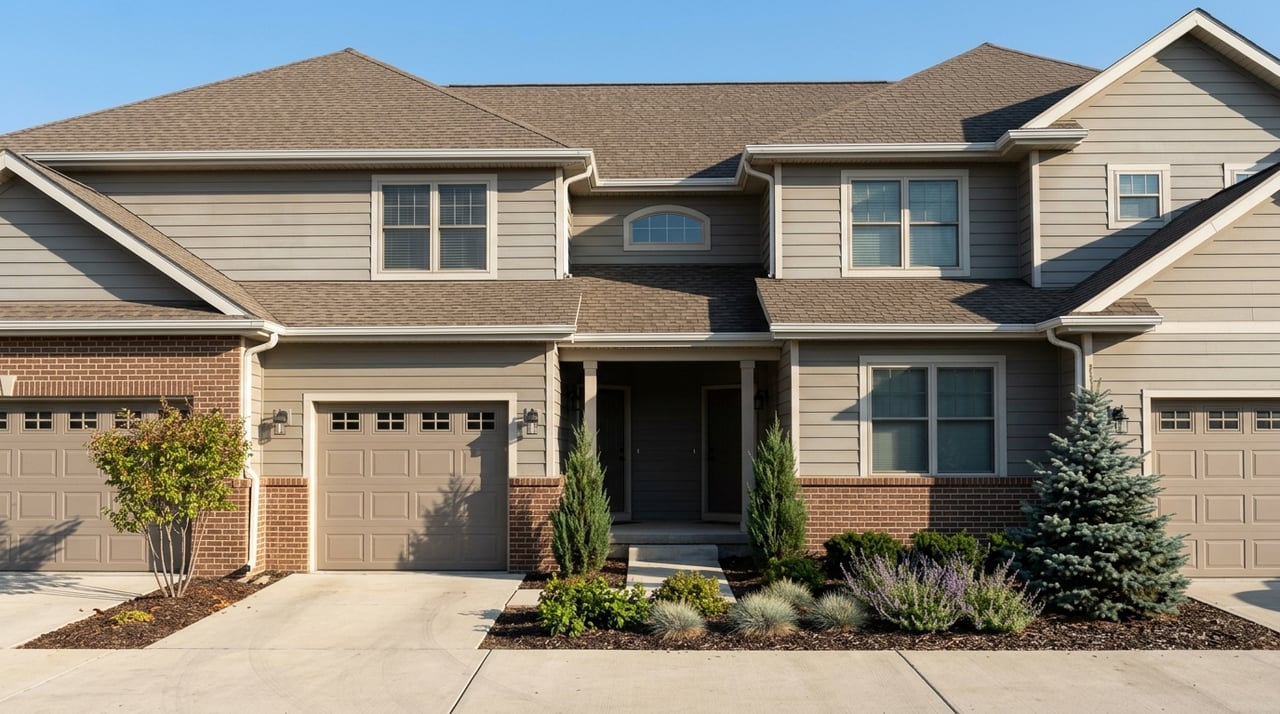
Buying in Boulder often means making smart tradeoffs, and one of the biggest is this: should you choose a condo or a townhome? If you want a lower-maintenance home without the price tag of many single-family properties, both can make sense. The key is knowing what you are really buying, what it will cost you month to month, and how it fits the way you want to live. Let’s dive in.
Boulder Attached Housing at a Glance
In Boulder, attached housing can be an important path into the market. For March 2026, the local townhouse and condo segment came in at $482,500 for the month and $520,000 year to date, compared with about $1.29 million for single-family homes. That gap helps explain why many buyers start their search with condos and townhomes.
Inventory also shows a difference between the two options. Recent market data showed 164 condos for sale in Boulder at a median listing price of $489,000, compared with 69 townhouses at a median listing price of $799,000. In simple terms, condos usually offer more choices and a lower entry point.
Boulder’s mobility also plays a role in what buyers want. With a Walk Score of 56, Transit Score of 47, and Bike Score of 86, many buyers value convenience and lower upkeep over a larger yard. That makes attached homes especially appealing if you want to stay close to daily routines without taking on as much exterior maintenance.
What a Condo Means in Colorado
In Colorado, a condominium is part of a common-interest community where the real estate not set aside for separate ownership is owned in common. That usually means you own your unit, while shared areas are owned and maintained through the homeowners association.
From a day-to-day point of view, condos often appeal to buyers who want simpler upkeep. HOA responsibilities commonly include common elements, and boards often control unit exteriors as well. That setup can reduce your personal maintenance list, but it also means you need to understand the rules and dues before you buy.
What a Townhome Means in Colorado
This is where many buyers get tripped up. In Colorado, the word “townhome” describes a style more than a legal structure. A townhome can exist under a condominium-style declaration or under a planned-community declaration, so the exterior look does not tell you the full ownership story.
That means two townhomes that look very similar can come with very different owner responsibilities. One may have an HOA handling more of the exterior and common maintenance, while another may leave more to you. The deed, declaration, and plat map matter more than the building style.
Why the Legal Structure Matters
If you only compare photos, price, and square footage, you can miss one of the most important details of the purchase. In Boulder, the better question is not just “condo or townhome?” It is “what exactly am I responsible for, and what does the HOA handle?”
Colorado HOA guidance makes clear that associations generally handle common elements, while owners handle their own units. At the same time, boards commonly control exteriors in both condos and townhomes. So before you fall in love with a listing, it helps to confirm whether the HOA covers roofs, siding, landscaping, snow removal, and other major items.
Compare Total Monthly Cost, Not Just Price
A lower list price does not always mean a lower cost of ownership. In Boulder, condos often have a lower purchase price, but they may also come with higher monthly dues depending on what the HOA covers. A townhome may cost more upfront while offering a different balance of dues and owner responsibility.
The smartest way to compare options is to look at your total monthly cost. That usually includes:
- Mortgage payment
- Property taxes
- Homeowners insurance
- HOA dues
- Expected maintenance costs
This is one of the clearest ways to avoid surprises. A home that looks affordable on paper can feel very different once dues, insurance, and maintenance are added in.
What HOA Dues Actually Cover
HOA dues are not random, and they are not all created equal. In Colorado, assessments generally come in two forms: regular dues and special assessments. Regular dues support the ongoing operation of the community, while special assessments are usually used for major repairs, new construction, unexpected costs, or reserve funding.
In Boulder, a management company may handle collecting fees, arranging snow removal, and managing larger projects for the HOA. That can make ownership easier if you want less hands-on responsibility. But it also means you need to know whether the HOA is budgeting well and communicating clearly.
For post-1992 communities, the declaration must state the formula for allocating assessments. So even if two homes seem comparable, their dues can still be very different. Always ask what the dues cover and how those costs are divided.
Special Assessments Can Change the Math
One of the most important questions in any attached-home purchase is whether a special assessment is planned or likely. Boulder’s homeowner association guidance notes that there is not widespread financial help for special assessments, so you should not assume outside help will appear if a large community expense comes up.
That matters because a big project, like roofing, exterior repairs, or major common-area work, can create a sudden extra cost for owners. If you are choosing between a condo and a townhome, reserve strength and maintenance planning may matter just as much as the list price.
Questions to Ask Before You Offer
The strongest buyers do a little more homework up front. Colorado DRE recommends reviewing core documents and looking for signs that the HOA is well run and financially stable.
Here are some of the most useful questions to ask:
- What exactly does the HOA maintain, and what stays my responsibility?
- Are any special assessments planned or being discussed?
- Is there a reserve study, and are reserves adequately funded?
- What are the rules for rentals, pets, parking, storage, and exterior changes?
- Is the HOA registered and current?
- Is the project eligible for my loan type?
- Has the community had issues with lender questionnaires, litigation, or deferred maintenance?
These questions can quickly tell you whether a listing is a good fit for your budget and lifestyle.
Condo Lifestyle: When It Makes Sense
A condo can be a strong fit if your top priorities are simplicity, convenience, and a lower entry point. In Boulder’s current market, condos generally provide more options at lower prices than townhomes. That can be especially helpful if you want to live in Boulder without stretching into a much higher price bracket.
A condo may also work well if you prefer a more lock-and-leave setup. If you travel often, have a busy work schedule, or simply do not want to spend weekends on exterior upkeep, the added structure of condo ownership may feel like a benefit rather than a limitation.
Townhome Lifestyle: When It Makes Sense
A townhome may be the better choice if you want a more house-like feel while still sharing some maintenance responsibilities. Many buyers like townhomes because they often offer more separation, multiple levels, or a layout that feels closer to a traditional home.
But in Boulder, you should not assume every townhome offers the same ownership experience. Because some townhomes are legally condos and others are in planned communities, the governing documents matter more than the label. The real question is how much maintenance control, privacy, and flexibility you want.
If Rental Flexibility Matters
Some buyers think ahead to future rental use, especially if life plans may change. In Boulder, short-term rentals of 29 days or less are limited to an owner’s principal residence and require annual certification to keep the license active. On top of that, HOA rules can be stricter than the city’s baseline.
That means rental plans should be checked carefully before you buy. If rental flexibility is important to you, make sure you understand both the city rules and the HOA restrictions for that specific property.
A Simple Way to Decide in Boulder
If you feel torn between a condo and a townhome, start with four filters instead of one. Compare each property based on total monthly cost, maintenance responsibility, reserve strength, and use restrictions. That approach usually gives you a much clearer answer than comparing listing prices alone.
From there, narrow your search by ownership structure and HOA quality first. Then look at floor plan, neighborhood position, and commute fit. That order can save you time and help you avoid falling for a home that looks right but does not work financially or practically.
If you want help sorting through Boulder condos and townhomes, understanding HOA documents, or comparing the real monthly cost of each option, Arlene Burgess can help you make a confident move with clear local guidance.
FAQs
What is the main difference between a condo and a townhome in Boulder?
- In Boulder and across Colorado, a condo is usually a legal ownership structure, while a townhome is often a building style. A townhome can be legally structured as a condo or as part of a planned community, so you need to review the deed, declaration, and plat map.
Are condos more affordable than townhomes in Boulder?
- Recent Boulder market data showed more condo inventory and a lower median listing price for condos than townhouses, which makes condos a more common entry point for buyers seeking attached housing.
Do Boulder condos and townhomes both have HOA dues?
- Yes, both often have HOA dues, but the amount and what they cover can vary widely. Similar-looking properties can have very different dues because the governing documents set the assessment formula and maintenance responsibilities.
What should you review before buying a Boulder condo or townhome?
- You should review the declaration or CC&Rs, plat map, assessment formula, reserve funding, maintenance responsibilities, restrictions, possible litigation, lender questionnaire experience, and any signs of deferred maintenance.
Can you use a Boulder condo or townhome as a short-term rental?
- Boulder limits short-term rentals of 29 days or less to an owner’s principal residence and requires annual certification, and the HOA may have stricter rules than the city.
How do you choose between a Boulder condo and a townhome?
- The clearest way is to compare total monthly cost, maintenance responsibility, reserve strength, and use restrictions, then sort listings by ownership structure and HOA quality before focusing on layout or location.