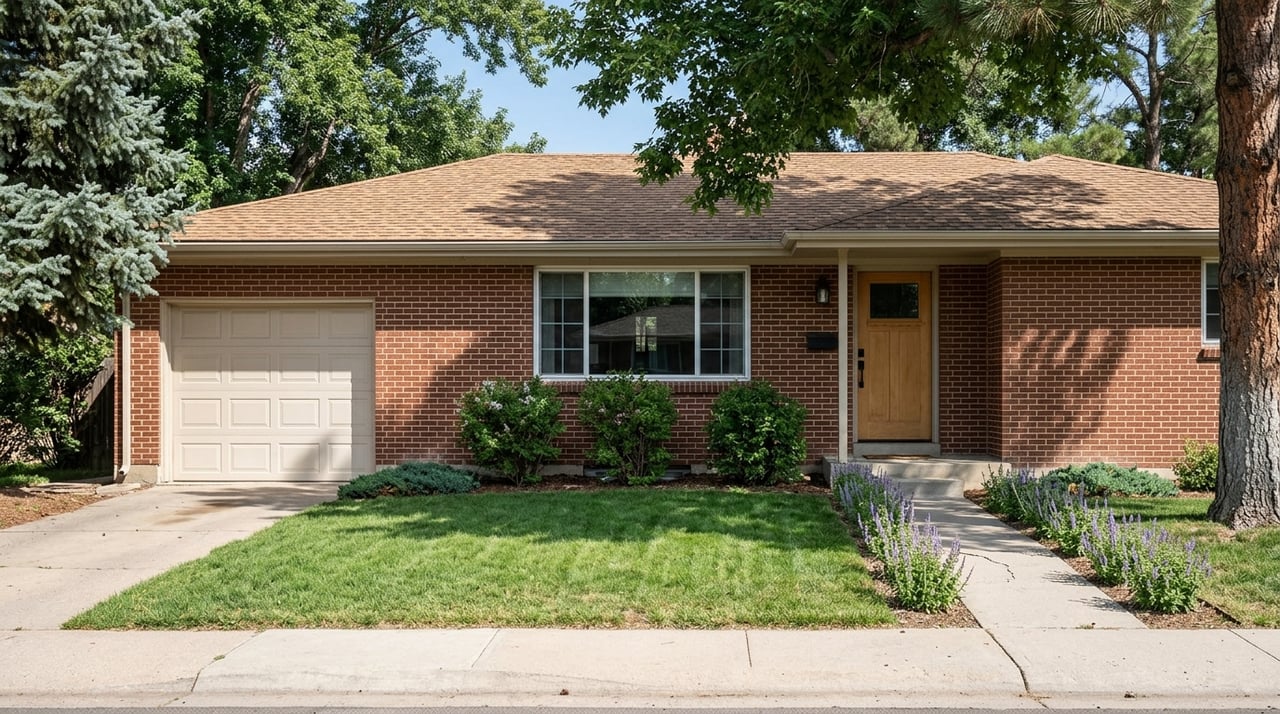
Choosing between a newer subdivision and an established street in Littleton is not just about the age of a home. It is really about how you want to live day to day, what kind of streetscape feels right to you, and which tradeoffs matter most. If you are weighing charm against consistency, or walkability against a more planned suburban layout, this guide will help you compare the two with more confidence. Let’s dive in.
Littleton Is Not One-Size-Fits-All
Littleton is a largely built-out community that is still balancing preservation, redevelopment, and compatible new growth. That means you will not find one single “Littleton home style” or neighborhood pattern across the city.
It also helps to know that a Littleton address and Littleton city limits are not always the same thing. The city spans Arapahoe, Jefferson, and Douglas counties, and neighborhoods can vary quite a bit in layout, housing type, and feel.
What Established Streets Often Offer
Older Littleton streets are concentrated near Downtown Littleton, Littleton Boulevard, and the city’s older core neighborhoods. These areas often reflect some of the city’s earliest development patterns, which gives them a different look and feel than later subdivisions.
According to Littleton’s planning documents, many established blocks have rear alley access. That can reduce how much driveways and garages dominate the front of the home, which often creates a more pedestrian-friendly streetscape.
The city also notes that these older blocks often have shallower front yards and homes that sit closer to the street. In practical terms, that can make the area feel a little more connected, a little more urban, and often more walkable.
Architectural Variety on Older Streets
One of the biggest draws of established streets is architectural variety. Littleton’s historic survey documents homes built from the 1880s through the 1970s, including Craftsman, Colonial, Modern, and Ranch styles.
That variety can give a street more personality and a less uniform appearance. If you like homes that do not all look the same, older parts of Littleton may feel more interesting and more rooted in the city’s history.
Historic Districts and Neighborhood Character
Some established areas include recognized historic districts and neighborhoods such as the Downtown Littleton Historic District, Louthan Heights, and Woodlawn. These areas are not frozen in time, but they do have review standards for demolition and exterior changes.
For you as a buyer, that can mean a little more predictability in neighborhood character over time. Homes can still be updated, but changes are expected to remain compatible with the district’s overall look.
What Newer Subdivisions Often Offer
Newer neighborhoods in Littleton are shaped more by modern planning approaches. Rather than growing block by block over many decades, they are typically designed as more coordinated communities from the start.
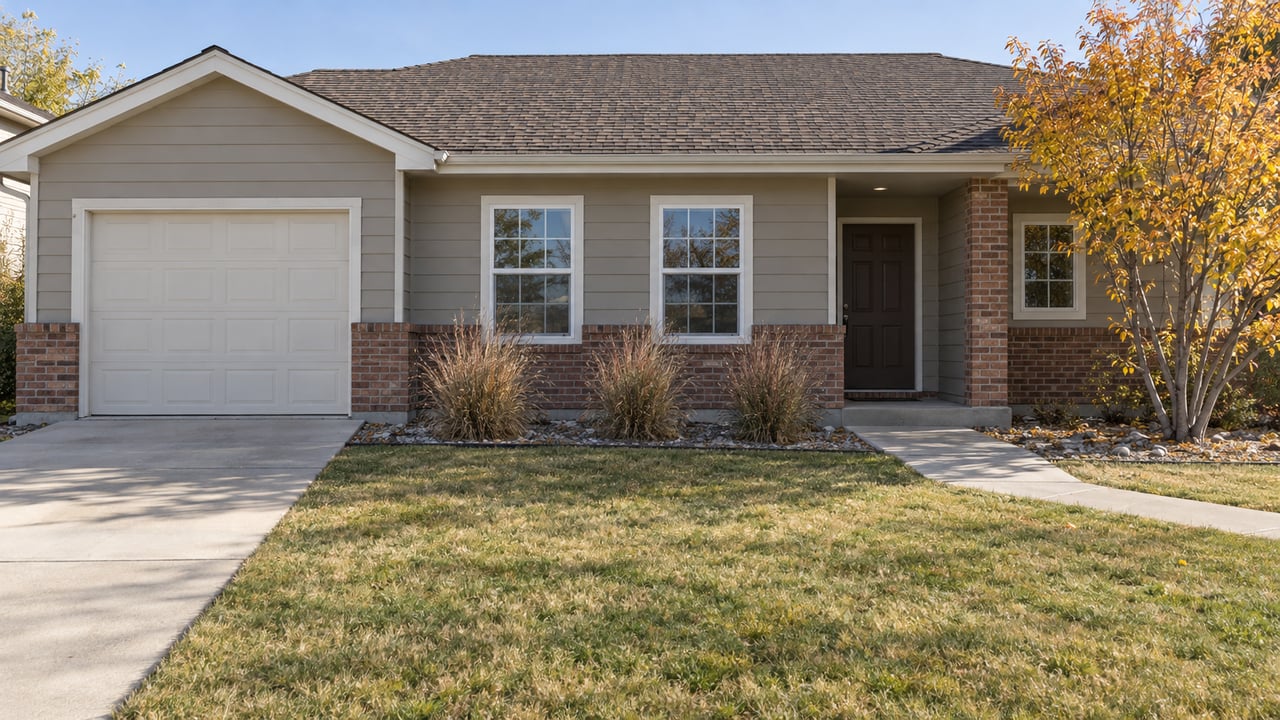
Littleton’s comprehensive plan describes some newer areas as Auto-Oriented Residential. In these areas, garages, driveways, and parking can be more visually prominent, and lot sizes may be smaller or narrower than in some older parts of the city.
The plan also notes that these neighborhoods can have straighter streets and more uniform lot sizes. Examples cited by the city include Windermere Circle and Kensington Ridge.
Newer Does Not Mean All the Same
Even so, newer housing in Littleton is not one category. The city also identifies areas with attached housing, townhomes, patio homes, and multi-family layouts that are planned with green space or buffering to maintain a suburban feel.
Examples in the city’s planning framework include Riverwalk, SouthPark, Peninsula, Highline Crossing, and TrailMark. In these settings, the appeal may be less about a large private yard and more about organized site design, shared open space, and lower-maintenance living patterns.
More Predictable Layouts
A practical benefit of newer subdivisions is consistency. Street layouts, lot patterns, parking arrangements, and shared spaces are usually more intentional and easier to understand at a glance.
If you like knowing what the surrounding homes and streetscape will generally look like, a newer subdivision may feel easier to evaluate. That can be especially helpful if you are relocating and trying to narrow choices quickly.
Lot Size and Open Space Matter
Lot size is one of the clearest differences between newer subdivisions and established streets, but it is not always as simple as “older means larger.” Littleton’s planning framework includes several residential character types, and each one handles openness a little differently.
The city says Estate Residential areas are intended for large-lot uses, ideally one acre or more. Suburban Residential areas still provide a relatively open feel, with deeper front yards and greater side separation between homes.
By contrast, Auto-Oriented Residential areas tend to have smaller and narrower lots with less resident open space on site. That said, newer development may balance smaller private lots with preserved open space, buffering, or shared community areas.
Private Yard or Shared Green Space
This is where your lifestyle matters. If you want more private outdoor space right outside your door, you may prefer certain established streets or lower-density residential areas.
If you would rather trade some yard space for shared open areas or a more organized neighborhood layout, a newer subdivision could be a better fit. Neither option is better across the board. It depends on how you actually want to use your space.
HOA Expectations Can Differ
HOA presence is another factor that often separates newer planned communities from older platted streets. Littleton maintains homeowner association resources, and the city’s comprehensive plan notes that some preserved open space and private recreation areas are maintained by associations.
In practical terms, newer subdivisions are more likely to include HOA rules, shared amenities, or exterior design expectations. Older streets may be less likely to have those layers of oversight, though each property should be reviewed individually.
If you like a more structured neighborhood environment, HOA communities may appeal to you. If you prefer fewer community rules, established streets may deserve a closer look.
Daily Convenience Feels Different
When buyers compare neighborhoods, they often focus on the home first. But the way you move through daily life matters just as much.
Established streets usually have the strongest connection to Downtown Littleton and the older commercial core. The city describes Downtown Littleton as a popular destination for shopping and dining, and its wayfinding program supports retail, arts, entertainment, and redevelopment in the area.
That can make older neighborhoods especially appealing if you want closer access to a traditional downtown setting. Depending on the specific location, you may be closer to local destinations, older parks, and a more connected street grid.
Access in Newer Areas
Newer or more south-oriented neighborhoods may trade immediate downtown access for proximity to larger retail clusters and modern commercial corridors. Littleton’s planning documents point to areas like Aspen Grove and commercial activity near South Santa Fe Drive, Broadway, Littleton Boulevard, County Line Road, and West Mineral Avenue.
So the tradeoff is not usually between being near amenities and being far from them. It is more about the type of convenience you want, whether that is a historic main street setting or access to larger, highway-oriented shopping and services.
Recreation Is Strong in Both Settings
Littleton stands out for outdoor access across the city. The city says Littleton has more than 1,400 acres of parks and open space and more than 200 miles of trails.
Major amenities include South Platte Park, the Mary Carter Greenway, and the Ketring-Gallup campus near Historic Downtown Littleton. That means both established streets and newer subdivisions can offer strong recreation access, but the experience may feel different.
On established streets, you may be drawn to the mix of parks, neighborhood routes, and downtown access. In newer communities, you may appreciate quick connections to open space, trails, and more intentionally planned buffers or green areas.
The Real Tradeoff: Character or Consistency
For many buyers, the choice comes down to character versus consistency. Established streets often feel more historic, more varied, and more walkable.
Newer subdivisions often feel more uniform, more car-oriented, and more plan-driven. That does not make one better than the other. It simply means each option supports a different version of daily living.
Littleton’s own vision reflects that balance. The city aims to preserve established neighborhoods and historic areas while also allowing new development and redevelopment that fits surrounding character.
How to Decide What Fits You Best
If you are trying to narrow your options, focus less on whether a home is “old” or “new” and more on how the neighborhood functions for you. A few questions can help:
- Do you want architectural variety or a more uniform streetscape?
- Would you rather have alley-loaded character and shallow setbacks, or a more suburban layout with visible garages and driveways?
- Is private yard space important, or are shared green spaces enough?
- Do you prefer fewer neighborhood rules, or do you like the structure of an HOA-managed community?
- Would you use downtown shops and dining more often, or do you prefer quick access to larger retail corridors and regional routes?
When you answer those honestly, the right parts of Littleton often become much clearer.
If you want help comparing specific Littleton neighborhoods, home styles, or subdivision layouts, Arlene Burgess can help you weigh the options and find the fit that matches your lifestyle and goals.
FAQs
What is the main difference between newer subdivisions and established streets in Littleton?
- Established streets in Littleton often offer more architectural variety, shallower front setbacks, alley access on some blocks, and stronger ties to the older core, while newer subdivisions often offer more uniform layouts, more visible garages and parking, and more intentionally planned site design.
Are older Littleton neighborhoods closer to Downtown Littleton?
- Many of Littleton’s established streets are concentrated near Downtown Littleton and the older commercial core, which can mean easier access to shopping, dining, parks, and neighborhood destinations depending on the specific location.
Do newer Littleton subdivisions usually have HOAs?
- Newer planned communities are more likely than older platted streets to include homeowner associations, shared open space, private recreation areas, and exterior design expectations, though each neighborhood should be checked individually.
Are lot sizes bigger on established streets in Littleton?
- Not always. Littleton includes several residential character types, so lot size depends on the area, but newer auto-oriented neighborhoods often have smaller and narrower lots, while some other residential areas offer deeper setbacks, more separation, or larger lots.
Is Littleton better for walkability or for suburban living?
- Littleton offers both. Established areas near the older core often feel more walkable and varied, while newer subdivisions often feel more suburban, more car-oriented, and more structured in layout.
Do newer neighborhoods in Littleton still have access to parks and trails?
- Yes. Littleton has more than 1,400 acres of parks and open space and more than 200 miles of trails, so both newer and established neighborhoods can offer strong recreation access, though the setting and route connections may differ.