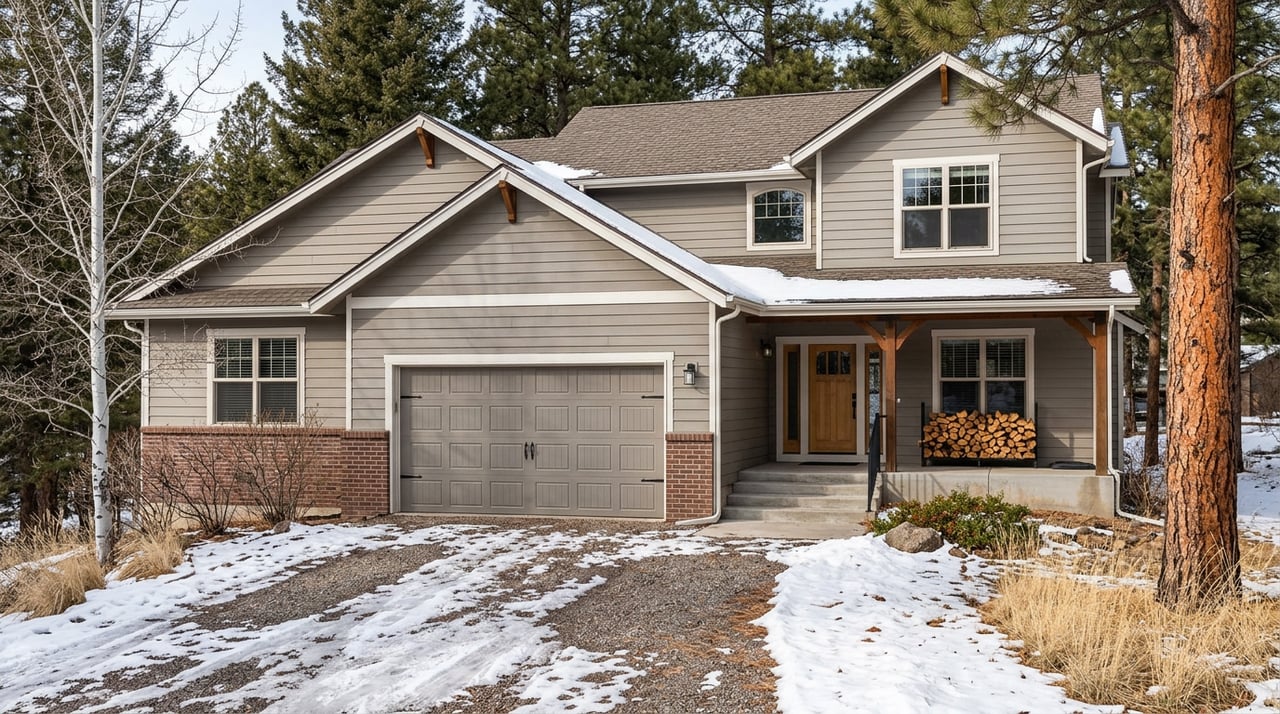
Thinking about trading city streets for pine-scented mornings and starry skies? Year-round mountain life in Conifer is beautiful, but it runs on different rules than the Denver suburbs. If you want a realistic picture before you buy, you’re in the right place. In this guide, you’ll learn what daily life looks like through the seasons, how long the commute can take, where you’ll find services, what to know about wells and septic, and how wildfire readiness works. Let’s dive in.
Conifer basics you should know
Conifer is an unincorporated community in Jefferson County. That means there’s no municipal government; the county handles planning, many services and most local roads. You’ll find the town center and neighborhoods around 8,200 to 8,300 feet along US‑285 in the foothills southwest of Denver. You can confirm local context on the area’s business and community page at the Conifer Area Chamber of Commerce.
The drive from downtown Denver to Conifer is roughly 33 miles. In normal conditions, an off-peak drive can be around 30 to 40 minutes, but weather and traffic can add time. For your own commute, try the route at your typical hour and review Denver-to-Conifer driving time estimates as a baseline.
How seasons shape daily life
Mountain elevation amplifies the seasons. The state’s climate records note cooler temperatures, greater snowfall in higher foothills, and evolving drought and wildfire patterns in Colorado’s mountains. For context, see the Colorado State Climate Summary.
Winter: snow, ice and planning
From roughly November to March, you should expect regular snow and cold. Snow sticks on two-lane mountain roads, shaded drives and north-facing lots, which can slow commutes and require snow tires. US‑285 is a state highway with priority plowing, and the county plows many local roads, but private and steep driveways are usually the homeowner’s responsibility. Budget extra time and keep winter gear in your vehicle.
Spring: melt and maintenance
March through May brings freeze-thaw cycles and muddy backroads. Spring is when drainage, erosion, driveway and septic issues often show up on steep or older lots. If you’re buying, ask for recent septic inspections and pay attention to driveway condition.
Summer: long days, higher fire risk windows
June through September offers big views and easy access to trails and nearby public lands. Those same warm, dry periods also bring wildfire risk windows. Jefferson County treats the Evergreen/Conifer area as high risk and runs active mitigation and outreach programs. Expect seasonal restrictions and plan to maintain defensible space around your home.
Fall: crisp days, prep season
October and November are comfortable for outdoor projects and a smart time to finish defensible-space work. It’s also a good window to service heating systems and stack winter supplies before the first big storm.
Commuting and daily driving
Most full-time residents rely on a car. Many commute across Jefferson County and into the Denver metro area. An off-peak drive to Denver can be 30 to 45 minutes, but snow, ice, crashes and two-lane segments on US‑285 can stretch that much longer.
Public transit in the immediate Conifer area is limited, so it’s not a reliable substitute for a personal vehicle. If you work hybrid or remote, that flexibility helps on storm days.
Practical tips:
- Test your route at your actual commute hours. If possible, try it after a snow.
- Keep winter tires, a scraper, chains or socks for steep, icy drives and a car emergency kit.
- Ask sellers or neighbors who maintains the road and driveway, and what plowing typically costs.
Groceries, healthcare and schools
You can cover daily needs at local shopping clusters near Conifer Town Center, including groceries, fuel and services. Specialty shopping or larger medical services are usually a trip down the hill to bigger suburban hubs.
For hospitals, reference your drive time to full-service facilities like St. Anthony Hospital in Lakewood; depending on your exact address and traffic, expect about 25 to 45 minutes. For emergencies, local fire and EMS coordinate with county ambulance services and regional hospitals. Plan your preferred hospital route in advance.
Conifer is served by Jeffco Public Schools, including Conifer High School. In mountain areas, some students have longer bus rides, and weather can affect schedules. Review district procedures for delay days and remote learning.
Utilities, water and internet
Many mountain homes in Conifer have private wells and on-site wastewater systems. Jefferson County issues permits and sets rules for septic systems. When buying, request septic records, an inspection and well documentation, including well yield and any required maintenance agreements. You can find county guidance on Onsite Wastewater Treatment Systems.
Electric service varies by location, and outages can occur in severe weather. Many homes use propane for primary or backup heat, and some also have wood stoves. Confirm utility providers, tank ownership or lease terms and recent delivery schedules during due diligence.
Internet and cell service are very address-specific. Some homes have cable or fiber, others use DSL, fixed wireless or satellite. Many owners now rely on Starlink or similar for reliable broadband. Review provider availability and do a real speed test at the property. You can start with local availability resources like this overview of Conifer internet options, then verify at the address level.
Quick verification checklist:
- Septic: permits, inspection report, pumping history and capacity.
- Well: permit, test results and reported yield.
- Electric/propane: providers, outage history and tank details.
- Internet/cell: provider list, install notes and live speed test.
Homes, land and permitting
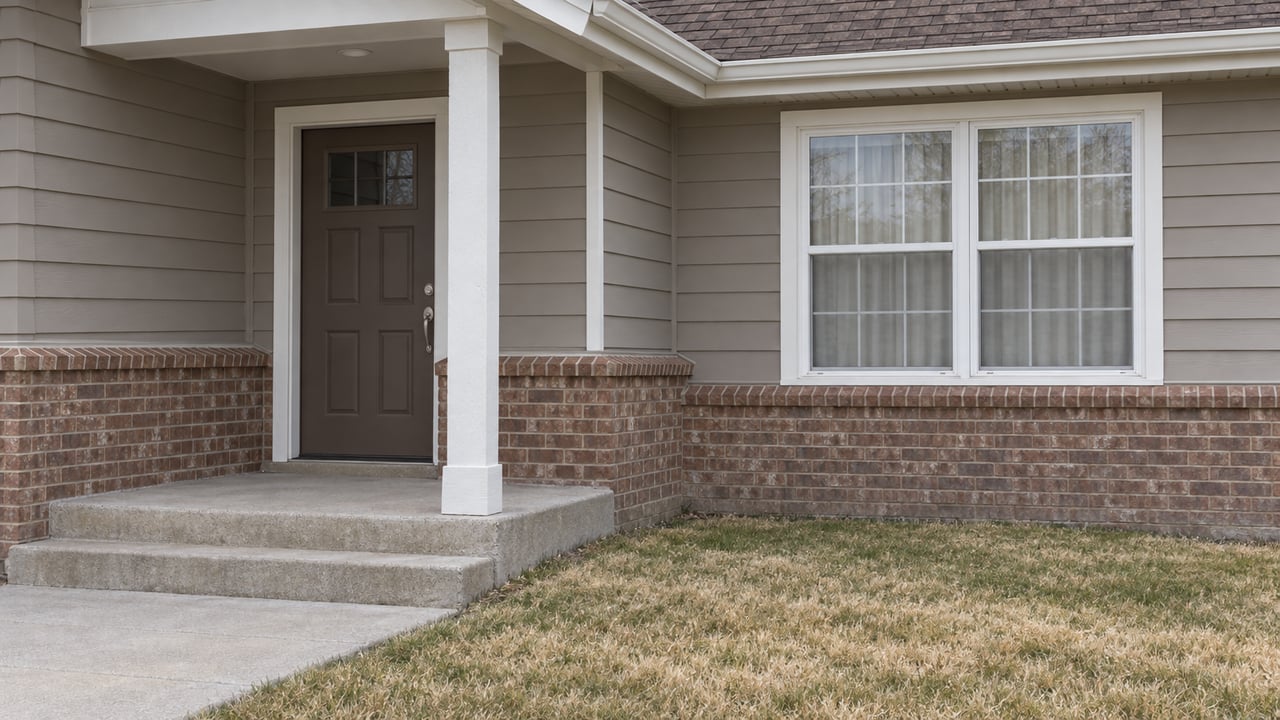
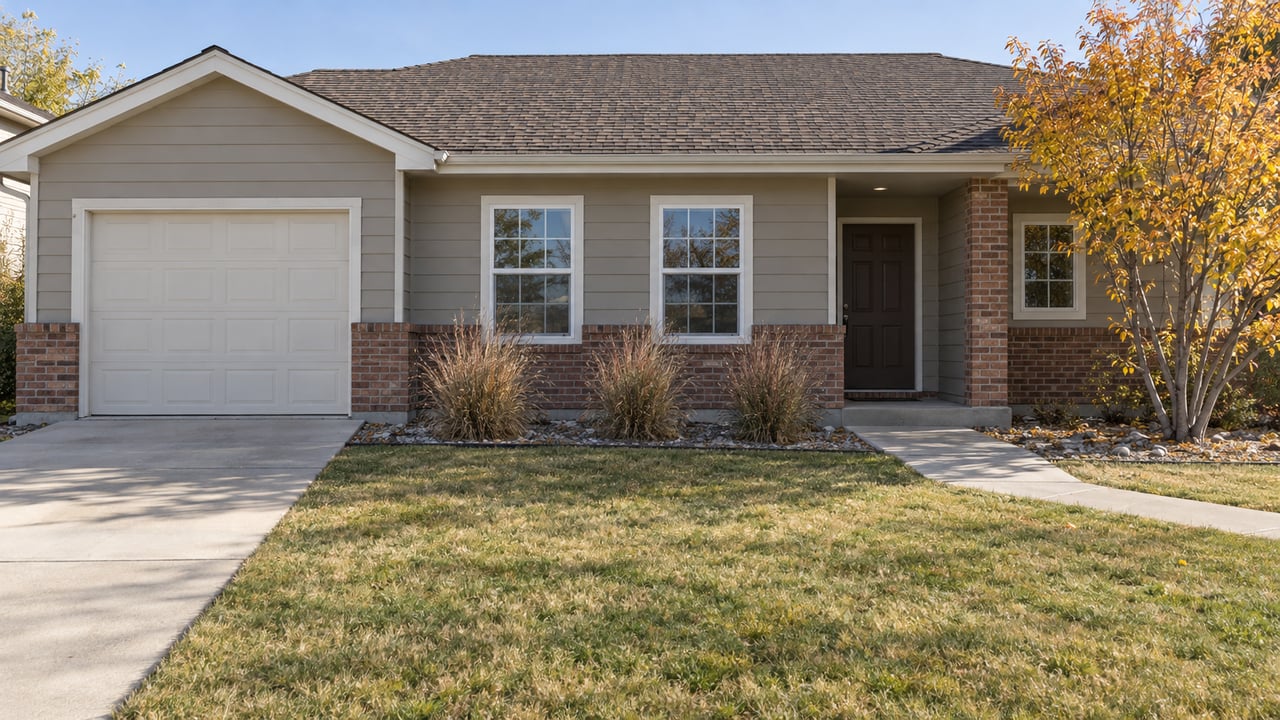
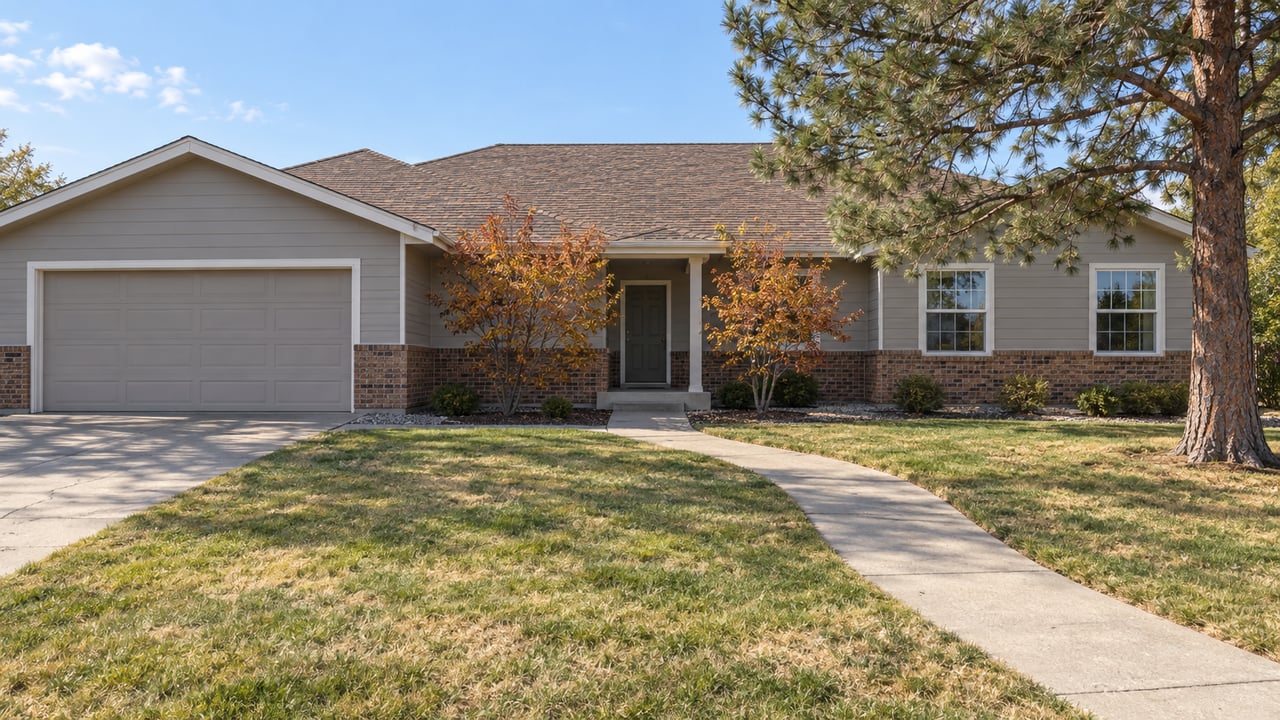
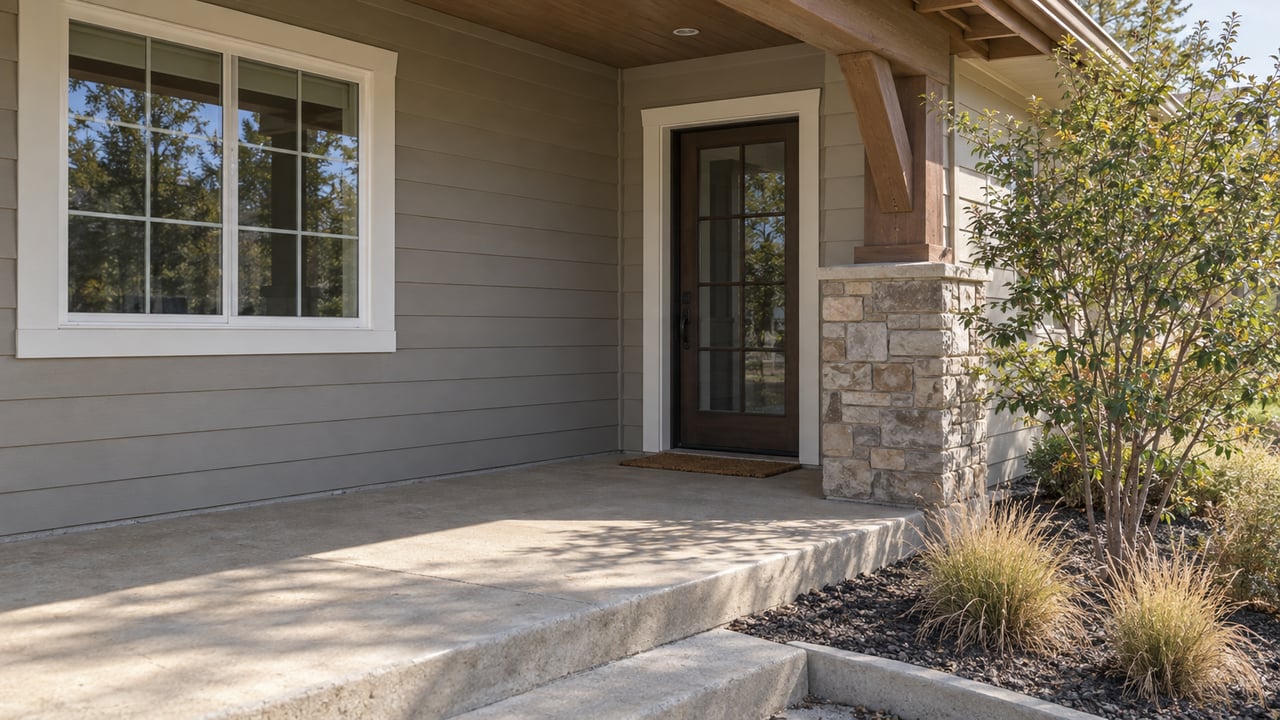
You’ll see a mix of cabins, modest mountain homes and custom properties on acreage. Lots often include trees, rock outcroppings and slopes, and private driveways are common. Because sites vary so much, plan for parcel-specific due diligence.
What to check before you write an offer:
- Driveway grade, snow-plow access and owner responsibility.
- Septic location, capacity and maintenance status, plus well permit and water test results.
- Slope stability, drainage and erosion patterns, especially after spring melt.
- Access easements, building setbacks and any wildfire defensible-space requirements.
Interested in an accessory dwelling unit or a tiny-home setup? Jefferson County has specific rules for ADUs and for wells and septic serving additional units. Start with the county’s general FAQ hub and connect with Planning and Zoning and Environmental Health for parcel-specific guidance.
Wildfire readiness and insurance
Conifer sits in a high wildfire-risk area, and Jefferson County is actively evolving its Wildland Fire Management Program. That includes a local Community Wildfire Protection Plan, home assessments, micro-grants and structure hardening and defensible-space standards. Review the county’s current wildfire program overview and CWPP materials.
The Conifer area is served by coordinated fire protection districts, including Elk Creek Fire Protection District. Districts offer mitigation guidance, community slash collection days and home assessments. Expect to maintain defensible space, keep roofs and vents ember-resistant where applicable and follow seasonal fire restrictions.
Insurance companies factor wildfire exposure into eligibility and pricing. Shop policies early in your search, and ask how mitigation steps, home hardening and nearby fire resources affect quotes. Also review neighborhood evacuation routes and sign up for county alerts.
A practical prep checklist before you buy
Use this list to keep your search grounded and your move smoother:
- Commute test: Drive your exact route at your normal times, then repeat after a storm.
- Winter-readiness: Price snow tires, plowing and a sand or de-icer plan for your driveway.
- Utilities: Verify septic permits and well documentation with the county, and confirm electric and propane providers.
- Internet: Run an in-person speed test and confirm provider install logistics.
- Inspections: Order a septic inspection and pumping if due, a well test, and a full home inspection by a pro experienced with mountain properties.
- Wildfire: Request a fire district home assessment and plan defensible-space work.
- Budget: Include line items for propane, chimney service, septic maintenance and plowing.
Why partner with a local guide
A successful Conifer move blends lifestyle goals with practical planning. You want a smooth search, clear answers and a contract that protects you on the mountain-specific details. With a track record across metro and mountain markets, you get responsive guidance, digital tools that simplify the process and steady advocacy from first tour to closing.
If you’re ready to explore Conifer living, connect with Arlene Burgess to map your goals, preview homes and build a due diligence plan that fits your timeline.
FAQs
How long is the Denver-to-Conifer commute in winter?
- In clear conditions it can be around 30 to 40 minutes, but snow, ice and crashes on US‑285 can add significant time, so test your route at peak hours and after a storm.
What utilities are typical for Conifer homes?
- Many homes use private wells and septic, electric service that varies by address, and propane or wood stoves for heating; verify permits and providers for each property with Jefferson County.
How reliable is internet and cell service at Conifer addresses?
- It varies by location and provider; some homes have cable or fiber while others use fixed wireless or satellite, so always confirm availability and run a live speed test at the property.
What inspections should I order for a Conifer purchase?
- Ask for a septic inspection and records, a well test and permit, a full home inspection by a mountain-experienced pro and a review of driveway access, roof and ember-resistant features.
How does wildfire risk affect buying and insurance in Conifer?
- Expect to create and maintain defensible space, follow county guidance and shop insurance early, as wildfire exposure can influence availability and premiums in high-risk areas.