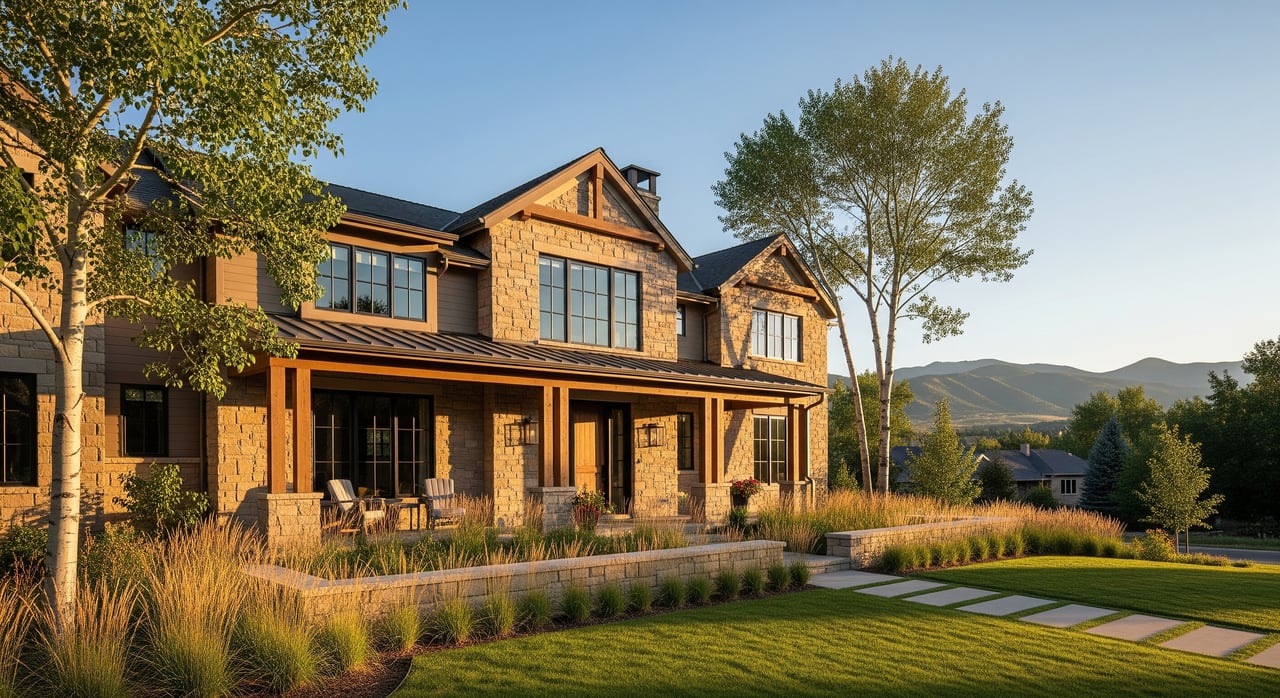
Wondering what your Littleton home would sell for today? Pricing is where your sale wins or stalls, and it is more than pulling a number from a website. You want a strategy that reflects real buyer behavior on your block, not just broad Denver headlines. In this guide, you will learn how agents price homes in Littleton, what adjustments matter most, and how to prepare for a smart valuation meeting. Let’s dive in.
Littleton pricing basics
Pricing is part science, part street-level judgment. Agents look at both metro trends and hyper-local demand within Littleton’s micro-neighborhoods. Interest rates, inventory, and seasonality shape the backdrop. Your exact value comes from recent sales near you, condition, and how buyers will compare your home to active listings right now.
Local data sources drive this work. Agents and appraisers rely on the REColorado MLS for live comparable sales, the Arapahoe County Assessor for property records, and City of Littleton planning and GIS for zoning, historic areas, and nearby amenities. They also check FEMA flood maps, school district boundaries, and state or national market research to add context.
How a CMA works
A comparative market analysis, or CMA, is the standard tool for setting list price. Your agent typically includes three to six recent closed sales that are comparable, plus active and pending listings to show your competition.
The goal is to estimate what buyers have actually paid for similar homes and where your home should land. Your agent then recommends a list price that positions you to attract the right buyers in the first two weeks on market.
Selecting comparables
Agents choose comps that mirror your home as closely as possible:
- Geography: same block or immediate micro-neighborhood when available.
- Timeframe: last 3 to 6 months, adjusted shorter in fast markets.
- Property type: single-family vs. townhouse or condo.
- Size and layout: living area, bedrooms, bathrooms, and finished basement.
- Condition: updates, age of systems, and overall appeal.
Applying adjustments
Because no two homes are identical, agents make adjustments so each comp reflects your home’s features. They use:
- Dollar adjustments for features like a remodeled kitchen or a bigger garage.
- Percent adjustments when value scales with price band.
- Replacement or renovation cost logic for major upgrades.
Agents cross-check their adjusted values with price per square foot and the current set of actives and pendings to confirm a tight pricing range.
Key pricing adjustments
Several factors commonly move value in Littleton. Your agent will weigh these based on nearby sales:
- Square footage and layout. Living area is a major driver, with functional layout and finished basement adding usable value.
- Bedrooms and bathrooms. An additional bedroom or full bath generally raises value, with smaller gains at higher counts.
- Lot size and outdoor space. Larger or more private lots, and lots that back to open space or trails, can command a premium.
- Condition and upgrades. Kitchens, baths, flooring, windows, roof, HVAC, and overall finish level matter to buyers.
- Garage and parking. Covered and attached parking is valued in our climate.
- Age and effective age. Newer systems and roofs reduce buyer risk.
- Location nuances. Street orientation, proximity to Downtown Littleton, distance to the South Platte trails, and exposure to traffic or noise near corridors like Santa Fe Drive or US-285 all factor in.
- HOA and amenities. Monthly dues, rules, and amenities influence buyer expectations and price bands.
Micro-neighborhood factors in Littleton
Small location shifts can make a real difference in Littleton. Agents often give more weight to a very similar sale on your block than to a larger updated home a mile away. Common influences include:
- Downtown walkability. Homes within walking distance to Main Street shops, restaurants, and events often attract stronger demand.
- Parks, trails, and the South Platte. Easy access to greenways and riverfront amenities can increase appeal.
- School boundaries. Assignment to specific schools shapes some buyers’ search areas.
- Commute corridors and transit. Convenience to US-285, Santa Fe Drive, C-470, and RTD light rail is a plus for many buyers.
- Historic character. Properties in or near designated historic areas offer unique appeal and may face renovation standards.
- Floodplain and slope. Proximity to the South Platte and topography can affect insurability, financing, and value.
- Newer infill vs. older stock. Updated or new construction nearby can set raised expectations for finishes and layout.
List price strategies that work
Your list price is a marketing lever. The right position shapes showings, offers, and your timeline.
- At market value. The typical recommendation. Aligning list price with the CMA draws serious buyers quickly and usually produces offers close to list price.
- Slightly under market. In low inventory periods, listing a touch under can trigger multiple offers and stronger terms.
- Aspirational overpricing. Testing high often means fewer showings, longer days on market, and later reductions. Repeated cuts can create stigma.
Pricing just below common search thresholds, like 500,000, can also help your home appear in more buyer searches.
Days on market and buyer behavior
Momentum matters. The first 10 to 14 days are when buyer interest peaks and your best offers usually arrive. Correctly priced homes tend to see early showings and offers. Overpriced homes often sit, collect fewer offers, and may sell for less after reductions.
Beyond price, thoughtful marketing and easy showing access expand your buyer pool. Quality photos, staging, open houses, and flexible showing windows can support a firmer price and shorter timeline.
Your pricing meeting checklist
Come prepared so your agent can value your home with precision. Gather:
- Recent utility bills, HOA documents and dues, and property tax statements.
- Permit history and receipts for upgrades like kitchen, roof, HVAC, or additions.
- A list of improvements with dates and any warranties or manuals for systems.
- Survey or plot plan if available.
- Mortgage payoff amount if you want net proceeds estimates.
- Any disclosures or known issues such as prior water intrusion or foundation work.
- Comparable listings or sales you want your agent to review.
What your agent will provide
You should expect a clear, data-backed plan:
- A CMA with 3 to 6 closed comps plus active and pending competition.
- Price per square foot comparisons and local days on market.
- A suggested list price range and a specific launch price with rationale.
- A marketing plan with staging guidance, photos, open house strategy, and online exposure.
- Repair or prep recommendations with cost-versus-return perspective.
- A timeline from list to close and net sheet scenarios for different price outcomes.
Littleton seller tips
A few local checks help you avoid surprises:
- Confirm your county. Littleton addresses can fall in Arapahoe, Jefferson, or Douglas. For Arapahoe homes, verify records with the county assessor.
- Know your school boundary. School assignment influences some buyers. Verify boundaries for accuracy.
- Check flood risk. Review FEMA and local overlays if you are near the South Platte or on a sloped lot.
- Document permits. Buyers and appraisers look for permitted work on additions or major systems.
- Mind the micro-location. A sale on your exact block often carries more weight than a newer home across a major corridor.
- Plan showing access. The easier it is to see, the faster you gather strong offers.
Ready to price with confidence?
If you want a clear number and a plan to support it, let’s talk. I will build a Littleton-specific CMA, walk you through the adjustments, and help you decide whether to price at market value or to spark multiple offers. When it is time to list, you will have staging guidance, marketing that works, and a negotiation strategy that fits your goals.
Reach out to schedule a low-pressure pricing consult with Arlene Burgess. We will make a thoughtful plan that gets you sold.
FAQs
How do agents pick comps for a Littleton home?
- Agents pull 3 to 6 recent closed sales from the same micro-neighborhood when possible, matching property type, size, layout, and condition, then add actives and pendings for context.
What time window makes a comp “recent” in Littleton?
- Typically the last 3 to 6 months, with more weight given to sales within 30 to 60 days in a fast-moving market.
Which features add the most value in Littleton pricing?
- Square footage, number of baths and beds, finished basement, lot quality, level of updates, garage capacity, and location factors like proximity to Downtown and trails.
How does list price affect days on market?
- Correctly priced homes often see early showings and offers in the first 10 to 14 days, while overpriced listings tend to sit and require reductions.
Should I price under market to get multiple offers?
- In low inventory conditions this can work, but it depends on your home’s competition and your goals; your CMA and current actives guide that choice.
What should I bring to a pricing meeting?
- HOA docs, tax statements, utility bills, permit records, receipts for upgrades, a list of improvements, any disclosures, and your mortgage payoff if you want net estimates.