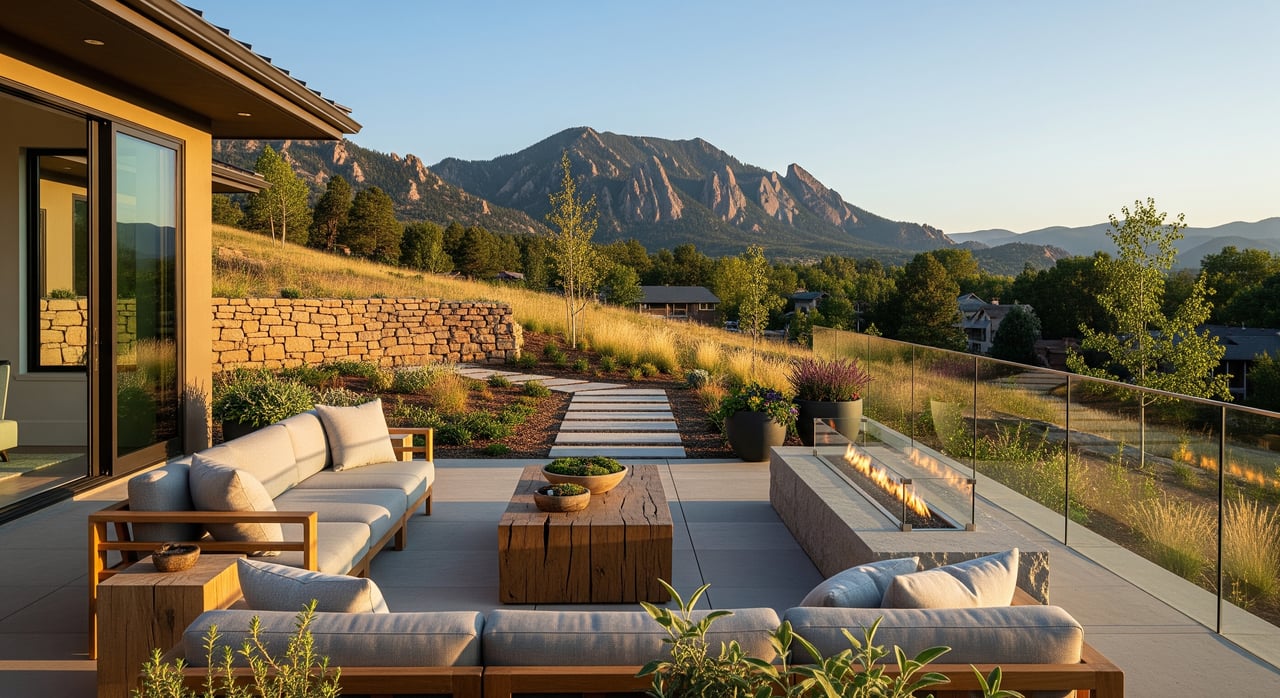
If you picture stepping out your front door and hitting a trail before breakfast, Boulder delivers. The city sits where the plains meet the foothills, so you feel close to nature even on a busy weekday. If you are weighing a move, you want to know how that plays out day to day and which neighborhoods truly match your outdoor plans. This guide breaks down the places, seasons, and housing choices that shape Boulder’s outdoor rhythm so you can choose with confidence. Let’s dive in.
What outdoor life means in Boulder
Boulder’s western edge rises into the foothills and the Flatirons, which is why you can hike or ride minutes from the city grid. Creeks, a reservoir, and protected open space give you options from mellow walks to steep climbs. You can keep it casual or go technical, and you do not need a long drive to get there.
Four-season rhythm
You get four distinct seasons with plenty of sun and low humidity. Winters bring snow, but many days still work for hiking, running, or riding on lower trails. Spring mud and winter snowpack change where you go, and summer often brings quick afternoon storms in the high country. Your plans shift with conditions, which keeps the routine fresh.
Culture you feel right away
Outdoor recreation is part of daily life here. You will see bikes on car racks, runners on paths, and families heading to trailheads after work. The local scene includes the university, tech, and outdoor brands, plus strong gear shops and training spaces that support active living year-round.
Signature places and how you use them
OSMP trail network
City-managed Open Space and Mountain Parks surrounds Boulder with foothill and prairie trails. You can hike, run, walk your dog, and bike on designated routes. Rules vary by area, so check signage for bike access and dog leash zones. Many trailheads sit close to neighborhoods, which makes quick morning laps easy.
Flatirons and Chautauqua
The Flatirons and the Chautauqua area offer classic hikes and access to well-known climbing. You get steep options and scenic routes with quick access from downtown. It is a social hub too, with people meeting for sunrise hikes and evening loops.
Eldorado and Boulder Canyons
These canyons offer world-class climbing, canyon hikes, and scenic drives. Eldorado Canyon State Park is popular, and parking can be tight on peak days. Many residents plan early starts or weekday sessions for a smoother experience.
Creek and reservoir days
Boulder Creek Path gives you an easy place to walk, run, or spin on a casual ride. In summer, you will see people floating, wading, and cooling off along the water. Boulder Reservoir adds swimming, paddling, and boating close to town.
Bike culture and routes
Boulder supports both road cycling and mountain biking. You will find singletrack in the foothills and designated areas nearby that serve beginners through advanced riders. On the road, training routes climb into the hills, and the city has bike lanes, paths, and bike-friendly corridors. Off-road riders follow seasonal closures and trail designations, so checking conditions is part of the routine.
Winter access and indoor training
When snow stacks up, locals shift to Nordic, snowshoe, or resort days. Eldora Mountain Resort is a short drive, often 20 to 40 minutes depending on conditions. You also have multiple climbing gyms and indoor training spots for year-round fitness.
Housing types that fit gear life
- Single-family homes: Older bungalows near central neighborhoods and modern foothill homes offer space for gear and parking. These areas often carry higher prices and limited supply.
- Townhomes and condos: You will see these closer to downtown, University Hill, and newer infill areas. They work well if you want walkability and a low-maintenance setup.
- Apartments and rentals: Common around the university and useful for short-term or flexible plans. Many newcomers start here to learn the city.
- Foothills and mountain homes: Scenic and private with mountain access, but consider steep driveways, winter driving, wildfire planning, and service logistics.
Where to live for easy access
Chautauqua and South Boulder foothills
If you want a short walk to classic Flatirons trailheads, this is the target zone. Homes range from historic cottages to high-premium single-family properties. Inventory is tight, and proximity comes at a price.
Mapleton Hill, Newlands, North Boulder
Tree-lined streets and quick access to the Boulder Creek Path define these neighborhoods. You will find older single-family homes alongside some multifamily options. It is a strong pick if you want fast bike and path access with a classic neighborhood feel.
Downtown, Pearl Street, University Hill
You can walk to cafes, gyms, and evening group runs or rides. Condos and apartments dominate, which keeps maintenance light. This area suits you if you want an urban vibe with fast access to paths and climbing gyms.
South Boulder, Table Mesa, Valmont
These areas blend access to open space, reservoirs, and mountain-bike trails. You will see a suburban feel with a range of home sizes. It is a good match for households who want balanced trail time and daily conveniences.
Gunbarrel and the northeast corridor
You get newer neighborhoods and relative affordability compared to the city core. Trails to the north and quick access to riding areas appeal to active buyers. Commuting to tech parks from here can be efficient.
Canyon-edge pockets and nearby towns
Homes near canyons offer quick access to canyon trailheads and Eldorado. Conditions and road closures can vary with weather, so you plan ahead. Nearby towns like Nederland, Lyons, Louisville, Lafayette, and Longmont offer a range of trade-offs between price, commute, and mountain access.
Daily life examples
- Early-career climber: You rent a studio near downtown or University Hill. After work you head to a climbing gym or jog along Boulder Creek Path. Weekend mornings start early at the Flatirons.
- Trail-first family: You choose South Boulder, Table Mesa, or North Boulder for larger lots and quick access to open space and reservoirs. You prioritize a garage or storage for bikes and skis.
- Mountain biker or trail runner: You live near the foothills or in Gunbarrel to shorten your pre-work rides. You follow seasonal closures and plan routes based on conditions.
- Remote worker seeking quiet: You pick a foothills or Nederland home for privacy and mountain access. You accept longer drives to downtown for errands or dining.
Practical considerations before you move
Commute and transit
Regional bus service connects Boulder and the Denver metro, including express options. Driving to Denver International Airport or regional employers is common. Bike commuting is popular, but routes and comfort vary by neighborhood.
Seasonal trail conditions
Spring mud and winter snowpack change what trails you use and when you go. Summer afternoons can bring fast-changing weather at higher elevations. Early starts and checking forecasts help you avoid surprises.
Wildfire and flood basics
Wildfire risk exists along the foothills and the urban edge. If you are shopping near canyons or in the hills, plan for defensible space and know evacuation routes. Low-lying areas near creeks may have flood history, so review maps and insurance needs during due diligence.
Rules and permits
Open space protections limit new development near many trail corridors. That preserves access and also constrains supply in prime outdoor pockets. Trail rules for bikes and dogs vary by area, and building standards may be different in foothill zones.
Storage and costs
Active households often need space for bikes, skis, climbing gear, and seasonal clothing. A garage, mudroom, or secure storage can make daily life easier. Boulder’s cost of living sits above the national average, but local services for outdoor life are strong.
Match your lifestyle to a neighborhood
Use this quick process to narrow your search:
- List your top three activities and how often you do them in each season.
- Decide if you want to walk to a trailhead, bike 10 to 20 minutes, or drive.
- Identify your must-have storage and parking needs.
- Choose your trade-offs: price, space, commute, or proximity to trails.
- Preview two to three neighborhoods that fit your list and do a morning test run from each.
When you are ready to explore homes that fit your outdoor routine, reach out. You will get practical guidance on neighborhoods, logistics, and trade-offs that match your goals. Connect with Arlene Burgess to plan your move with local support and a lifestyle-first approach.
FAQs
How does Boulder's geography shape daily outdoor time?
- The city sits at the base of the foothills, so you can reach steep trails, climbing areas, and creek paths within minutes, which makes short weekday sessions realistic.
What is winter outdoor life like in Boulder?
- Many days are sunny enough for lower-elevation hikes and rides, and Eldora Mountain Resort is a short drive when you want lift-served skiing.
Which Boulder neighborhoods are closest to trailheads?
- Chautauqua and nearby South Boulder foothill areas offer some of the shortest walks to classic Flatirons trailheads, with limited inventory and premium pricing.
Is Boulder bike-friendly for commuting and errands?
- The city has a strong cycling culture with bike lanes and paths, while comfort and route quality vary by neighborhood and seasonal conditions.
What are the downsides for outdoor lovers moving to Boulder?
- Expect parking competition at popular trailheads, seasonal closures or mud, and price premiums for homes next to open space or downtown walkability.
How should I plan for wildfire or flood risk in Boulder?
- If you consider foothills or canyon homes, plan for defensible space and evacuation readiness, and review flood maps and insurance for properties near creeks.